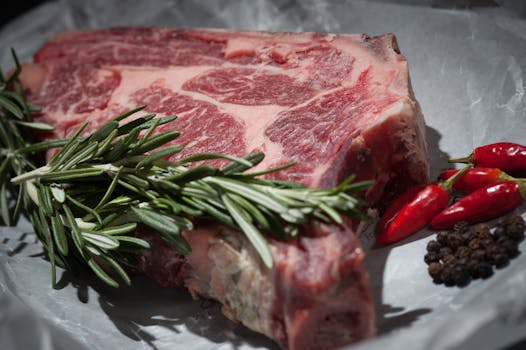
Pre-Grill Liturgy: Transcending Basic Seasoning
Forget the culinary toddlerhood of salt and pepper; seasoning a steak transcends mere sprinkling. In my steakhouse heyday, pre-grill prep was a hallowed sacrament, a symphony of flavor where each spice played its crucial role – a harmonious crescendo of taste. Room temperature equilibration, the critical first step, ensures even cooking. Think of it as an athlete's warm-up; it optimizes performance. We'll tackle this later. The Maillard reaction? That's built on a flawlessly dry surface.
First, desiccate the steak. Aggressively blot every drop of moisture with paper towels. A bone-dry surface is paramount; only then will the sear achieve its full potential, creating a deeply caramelized, intensely flavorful crust. This is the foundation.
Next, the seasoning ballet. Our blend transcended basic salt and pepper. Think coarse sea salt crystals, the crackle of freshly ground black peppercorns, the earthy whispers of garlic and onion powders, and a smoky kiss of paprika. This potent mix creates a thick, protective carapace, a shield against moisture loss during grilling. Only after this armor is in place do we consider a generous sheen of high-quality olive oil, enhancing – not replacing – the base seasoning.
Grilling Mastery: Temperature Tango and Technique
High heat isn't always the answer, a common misconception amongst amateur pit masters. In reality, professional grilling demands a masterful control of heat, a delicate dance. We employed a dual-zone approach – one side of the grill, a searing inferno around 500°F; the other, a gentler 350°F, providing a controlled finish.
The process unfolds thusly:
1. Foundation Laying: The scorching zone initiates the sear, forming the deeply browned, flavorful bedrock of your steak. This intense heat is brief, only 2-3 minutes per side, yielding a rich, mahogany hue. Think of it as laying the cornerstone of a culinary masterpiece.
2. The Slow Burn: Once that magnificent sear is achieved, a seamless transition to the moderate zone follows, slow-cooking the steak to perfect doneness, guided by a meat thermometer's unwavering accuracy. This stage calls for the precision of a fine artist, applying gentle heat to avoid overcooking.
3. The Pivotal Turn: The impulse to incessantly flip is a rookie error. Resist it! A proper sear requires patience; allow a superior crust to develop on each side before turning, enhancing the second sear’s impact after that initial high-heat contact.
4. Basting Banishment: Aggressive basting, a popular yet misguided technique, dilutes flavors, adding moisture that detracts from the sear and diminishes the inherent steak taste. Trust the heat’s power and let the steak express its natural deliciousness.
The Post-Grill Pause: Rest is Paramount
The cardinal sin? Slicing into your steak immediately post-grill. Let it repose for at least 10 minutes – longer for thicker cuts. This resting period allows the juices, currently scattered from the cooking, to redistribute. Imagine a squeezed balloon slowly regaining its form. The resulting tenderness and enhanced flavor are transformative. The muscle fibers relax, releasing their moisture, culminating in a succulently juicy, far more flavorful final product. Loosely tent with foil to retain the warmth and prevent drying.
From Chophouse to Your Backyard: Why Precision Grilling Transcends the Steak
Forget mere tricks; these aren't shortcuts, but the bedrock of consistently magnificent grilled fare. Each painstaking step, meticulously honed over years in the kitchen, guarantees a flawless outcome, every single time. Skimp on these details, and you're essentially winging it – akin to a pastry chef ignoring weights and measures; palatable, perhaps, but far from extraordinary. That’s a promise I make you.
The elevation from weekend barbecue to refined culinary artistry? It hinges on this. It's about embracing the Maillard reaction [https://www.sciencedirect.com/topics/food-science/maillard-reaction](https://www.sciencedirect.com/topics/food-science/maillard-reaction), the alchemical dance of salt and spice, and the absolute mastery of temperature control. Your perception of "good" meat will be irrevocably altered. The transformation of an ordinary cut into a symphony of flavor, repeatable with unwavering accuracy, is the ultimate goal.
Picture the chasm separating a home-cooked supper and a five-star dining experience. The raw materials matter, yes. But it’s the flawless execution, the unerring precision, the sheer passion infused into every stage that truly distinguishes them. Exceptional results aren't accidental; they're the inevitable consequence of painstaking attention to detail.
The payoffs? A crust boasting a magnificent sear, an interior blushing with succulence, flavors that’ll leave your companions utterly speechless. It’s beyond mere grilling; it’s culinary craftsmanship, the pride of a job expertly done, a dish that speaks volumes about your skills. This isn't just about steak; it's about transforming any protein into an unforgettable culinary masterpiece. This isn't grilling; it’s the genesis of culinary dominance.
Beyond the Ribeye: Universal Principles of Sublime Grilling
The core principles – the precise application of seasoning, the iron-clad control of heat, and the crucial resting period – aren’t confined to the hallowed halls of the steakhouse. They're the universal keys to unlocking grilling excellence across the board, from poultry and piscine delights to the humble vegetable. Apply this same unwavering precision, this same meticulous focus on technique, and your entire grilling repertoire will ascend to new heights. You will unlock a world of possibilities, limited only by your imagination. For more tips on achieving a perfect sear, check out our guide on [how to grill steak](/how-long-to-grill-steak). And if you're looking to expand your grilling beyond steak, consider exploring our article on [how to cook ribs](/how-to-cook-ribs) or even [how to cook lobster](/how-to-cook-lobster). Mastering the art of seasoning is key, and for those interested in spicing things up, check out [how to make brown sugar](/how-to-make-brown-sugar) for some sweet additions. Finally, don't forget the importance of proper preparation! Read our guide on [how to make a roux](/how-to-make-a-roux) for perfectly thickened sauces to complement your perfectly grilled meal.