7 Articles in this category
Your Pikachu drawing has the right ears, the right cheeks, and the right tail, but does it feel *alive*? The difference between an amateur sketch and a professional illustration lies in one secret: emotion. In this guide, we'll ignore the basic step-by-step and instead borrow a trick from animators to show you how to use Pikachu's key features to draw his iconic personality. We're moving beyond the static model sheet to capture the performance—the spark that makes Pikachu feel like a true companion, not just a collection of shapes. This is where the real art of character design begins.
Most castle drawings have a fatal flaw: they're just a collection of random towers and walls that would crumble under the first attack. Forget the generic fairytale fortress. We're going to teach you the secrets of medieval architects so you can draw a castle that is not only visually impressive but also believable and strategically sound. This isn't about tracing photos; it's about understanding the brutal logic of siege warfare and translating it into compelling art. By thinking about defensibility, you will organically create designs that are more intricate, realistic, and steeped in unspoken history. We will move beyond the superficial and into the structural soul of a fortress, turning your sketches from flimsy facades into bastions of visual storytelling.
Anyone can stick a triangle on a torpedo shape and call it a shark. But that's why most drawings look stiff and lifeless, missing the creature's soul. To capture the raw, muscular power of an apex predator, you have to stop drawing what you *see* and start drawing what you *know*—the anatomical engine hidden just beneath the skin. This isn't about memorizing bones; it's about understanding the biomechanical principles that make a shark a masterpiece of evolution. We will dissect the creature on paper, building it from its powerful core outwards, transforming your static illustrations into dynamic predators that feel like they could swim right off the page.
Forget the step-by-step tutorials; let's delve into the captivating world of braids as vibrant cultural tapestries. From the intricate cornrows of Africa to the elaborate braids of ancient civilizations, each style whispers stories of tradition, identity, and social status. This journey will uncover the deeper meaning woven into every strand, transforming your understanding of braiding from a simple skill to an art form brimming with history.
You think you know how to draw Mickey Mouse? Three circles, two ovals, and you're done, right? The truth is, the Mickey we draw today is a world away from the scrappy, pie-eyed character Walt Disney first sketched. Forget a single tutorial; we're going on a journey through time to draw the icon as he evolved, and in doing so, uncover the secrets of animation history itself. By mastering these three distinct versions, you aren't just learning to draw a character; you're learning to see how the very language of animation was invented, refined, and perfected. This is a practical history lesson with a pencil, where each line you draw connects you to the innovations of Ub Iwerks, Fred Moore, and the legions of artists who followed.
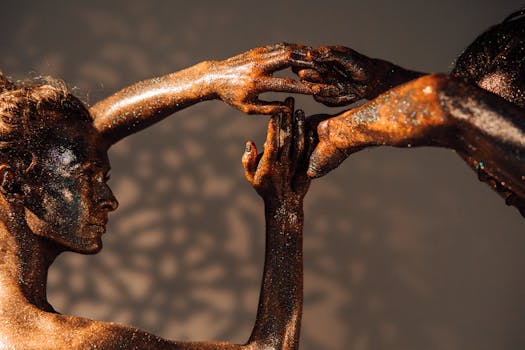
Forget the sterile instructions found in most bronze casting guides. Imagine learning the secrets passed down through generations of masters—the techniques of ancient Roman and Greek artisans, refined over centuries. This isn't just about melting metal; it's about rediscovering a lost art, understanding the artistry behind the enduring power of bronze sculptures, and applying those ancient wisdoms to your own creations.
Forget the simplified tutorials. Bronze casting, once a mystical art practiced by Renaissance masters like Donatello, holds secrets that modern methods often overlook. By delving into the historical processes and rediscovering lost techniques, you can unlock a deeper understanding of this ancient craft, achieving superior results and a truer connection to artistic history.