27 Articles in this category
You've unboxed your beautiful new flatscreen, and the drill is charged and ready. But the most important decision you'll make has nothing to do with finding a stud—it's about finding the perfect visual and ergonomic spot on the wall. Hanging your TV too high, too low, or off-center can disrupt the entire harmony of your room, turning a centerpiece into an eyesore. This guide moves beyond the nuts and bolts of mounting. Instead, we're going to approach your wall as a canvas and your television as a key artistic element. I will show you how to think like a designer to not just hang your TV, but to truly integrate it into a thoughtful, stylish, and comfortable living space.
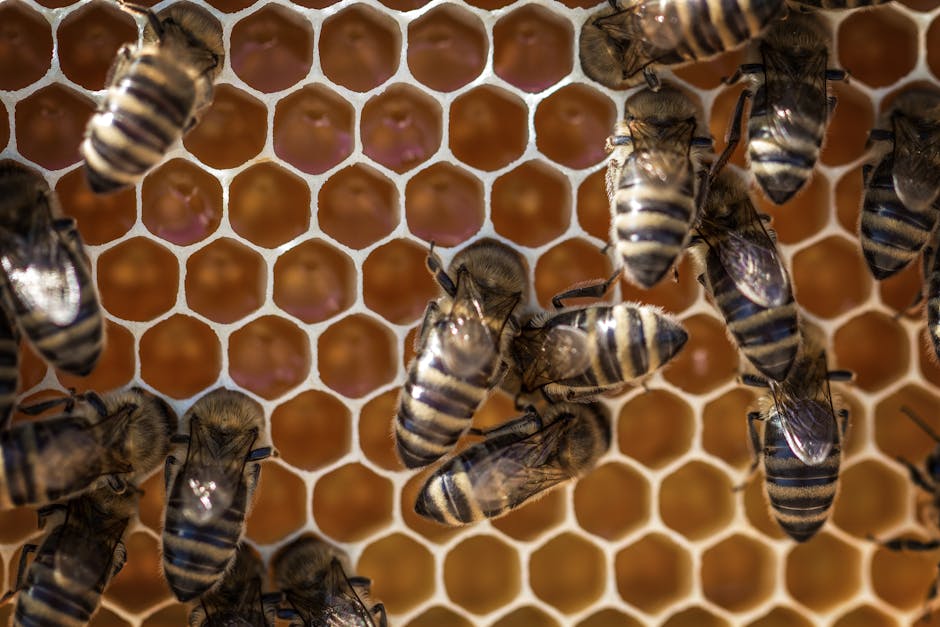
You see the nest, you grab the spray, you attack. This is tactical, but the wasps are strategic—and they're often winning the war for your yard. To truly get rid of a wasp nest for good, you need to stop thinking like a homeowner and start thinking like a wasp. For two decades, I've seen people repeat the same mistakes, waging a costly and often painful war of attrition against an enemy they don't understand. This guide isn't about bigger cans of poison; it's about intelligence. We're going to dissect the wasp's playbook—their lifecycle, their architecture, their instincts—and use that knowledge to dismantle their operations with precision and permanence.
You close the door, press the 'self-clean' button, and walk away, confident you've found the ultimate hands-off hack for those grimy racks. But the high heat you think is helping is actually the fastest way to strip their protective coating and cause permanent damage. Before you try another viral cleaning tip, let's uncover the methods that secretly ruin your racks and learn the material-safe techniques that pros use for a lasting, brilliant shine.
Let's be honest: the thought of submerging your electric blanket in water feels fundamentally wrong. We've been trained our whole lives that water and electronics are mortal enemies, so the idea of washing that web of wires is terrifying. But what if we told you your blanket was *designed* to survive the wash? We're here to debunk the myths and show you the engineer-approved method to get it clean without a single spark. As a former appliance engineer, I’ve seen the inside of these products. Trust me, the fear comes from a misunderstanding of the brilliant, yet simple, safety systems at play. This isn't about magic; it's about robust engineering.
That mystery stain on your couch isn't just an eyesore; it's a crime scene, and you're the lead detective. Before you grab a random spray and risk becoming an accomplice to permanent fabric damage, you need to gather evidence. This guide will teach you how to interrogate your couch—from its secret cleaning codes to the nature of the stain—to uncover the exact method for a flawless clean. We'll move beyond generic advice and equip you with the forensic skills to analyze your couch's material, profile the stain's origin, and select the precise cleaning agent that restores order without causing collateral damage. Consider this your official field guide to becoming a master of domestic restoration.
Forget bug spray and scattered bait traps. Your kitchen isn't just infested; it's an active crime scene, and German cockroaches are the repeat offenders leaving a trail of evidence. To solve this case for good, you need to stop thinking like a victim and start thinking like a forensic investigator. I spent decades analyzing insect evidence at crime scenes to help put away criminals. Now, I use those same skills to close the case on the most resilient residential pests. This isn't about brute force; it's about intelligence. By learning to read the scene, you can dismantle the entire criminal enterprise operating within your walls, ensuring they never return.
You’ve drowned your towels in vinegar and blasted them on the hottest cycle, yet that ghost of mildew past still lingers. That's because you're treating the symptom, not the disease. The problem isn't just in the fabric; it's in the entire ecosystem your laundry lives in, and it's time for a full diagnostic. We mistakenly attack the smelly towel as the isolated patient, when in reality, it's merely a data point indicating a systemic failure. The musty odor is the final cry for help from a laundry process that is contaminated from start to finish. This guide moves beyond temporary fixes and re-engineers your entire laundry workflow, from the microbial incubator you call a hamper to the humid stasis of your drawers, ensuring that mildew has no territory left to claim.
That fluttering sound in your walls isn't your imagination—it's a colony of bats who've decided your house is their home. Before you panic, consider this: what if you could not only serve them an eviction notice safely and humanely, but also convince them to move into a new property in your yard where they'll pay rent by eating thousands of mosquitoes every night? This isn't a fantasy; it's the core principle of ethical wildlife management. The goal is not eradication but relocation. By understanding their behavior, you can guide them out of your attic and into a nearby bat house, transforming an unwanted tenant into a powerful ally in your local ecosystem. This guide reframes the entire process, moving it from the realm of 'pest control' to one of proactive conservation and property management.
That aggressive pest dive-bombing your late-summer barbecue isn't just a random nuisance; it's the final act of a months-long invasion. Most guides tell you how to fight this frantic, end-of-season battle, but the truth is, you're already out-manned. We'll show you how to win the war by attacking the enemy on a different timeline—from hunting lone queens in spring to dismantling their ghost nest in winter. This isn't pest control; it's a four-season military campaign. Victory requires intelligence, timing, and a clear understanding of the enemy's operational lifecycle. Forget the frantic swatting. It's time to think like a strategist.
You buy a plant, you bring it home, and you do your best to keep it alive. But the money plant operates on a different principle: abundance. This guide isn't just about basic care; it's about turning your single plant into an infinite, living investment that can fill every room with green, for free. We're moving beyond the mindset of a plant owner and stepping into the role of a cultivator. Forget survival; we're here to master the art of multiplication, transforming one humble vine into a self-sustaining ecosystem of decor for you and everyone you know.
You thought the battle was won. You followed the famous recipe, scrubbed the dog, and aired out the house. So why, on the first humid day, is the ghost of that skunk smell haunting you again? This isn't your imagination—it's the science of thiol reactivation, and understanding it is the only way to exorcise the stench for good. As an olfactory scientist, I see this scenario constantly. People treat the initial, overwhelming odor but fail to neutralize the molecular saboteurs left behind. This article moves beyond temporary fixes to provide a definitive, science-backed protocol for destroying every last trace of skunk odor, ensuring it never returns.
That wasp nest you found isn't the real problem—it's just a symptom. Your property is broadcasting a 'Vacancy' sign that wasps can't resist. Before you just remove the nest, let's perform a strategic audit to turn that sign off for good and ensure they never check in again. For twenty years, I've seen homeowners fight the same battle every summer, knocking down nests only to have new ones appear. They're treating the symptom, not the cause. This guide shifts the focus from reactive removal to proactive defense. We're going to walk your property not as a homeowner, but as a queen wasp looking for the perfect place to build her empire. By identifying and neutralizing the architectural flaws and resource magnets that attract them, you'll break the cycle for good.
You see the dreaded permanent marker stain and immediately reach for the rubbing alcohol or a magic eraser. But what the internet hacks don't tell you is that the 'cure' is often worse than the crime, leaving behind a faded, scratched, or chemically burned patch. Before you make a permanent mistake trying to fix a permanent marker, let's talk about the most important factor: the surface itself. This isn't about finding a magic bullet remover; it's about becoming a detective. Your mission is to diagnose the material you're working with—be it wood, plastic, fabric, or stone—and choose a method that respects its integrity. Forget the one-size-fits-all solutions; they are the fast track to a restoration bill. We will explore a methodical, surface-first approach that prioritizes the preservation of your belongings over the blind annihilation of a stain.
That fresh coffee spill is mocking you from the cushion, and your hand is already reaching for a generic stain remover. Stop. That single, panicked move is the number one way couches are permanently damaged. Before you touch that stain, you must first learn to decode your fabric's secret language—a simple step that separates a flawless fix from a furniture catastrophe. This is not a list of 'miracle' cleaning hacks. This is a forensic manual for the discerning homeowner. We will treat your couch not as a piece of furniture, but as a crime scene. You will learn to identify the victim (your fabric), profile the perpetrator (the stain), and select the precise tool to bring the situation to a clean, damage-free resolution.
You've sealed the trash, wiped every surface, and hung sticky tape until your kitchen looks like a bizarre art installation. Yet, the flies persist in their relentless invasion. What if the solution isn't another spray or trap, but a strategic alliance with nature—turning your yard into a welcoming habitat for the spiders, birds, and predatory insects that see flies as a gourmet meal? This is not about fighting a war; it's about restoring a system. By understanding the ecological web right outside your door, you can recruit a permanent, self-sustaining security force to manage fly populations for you.
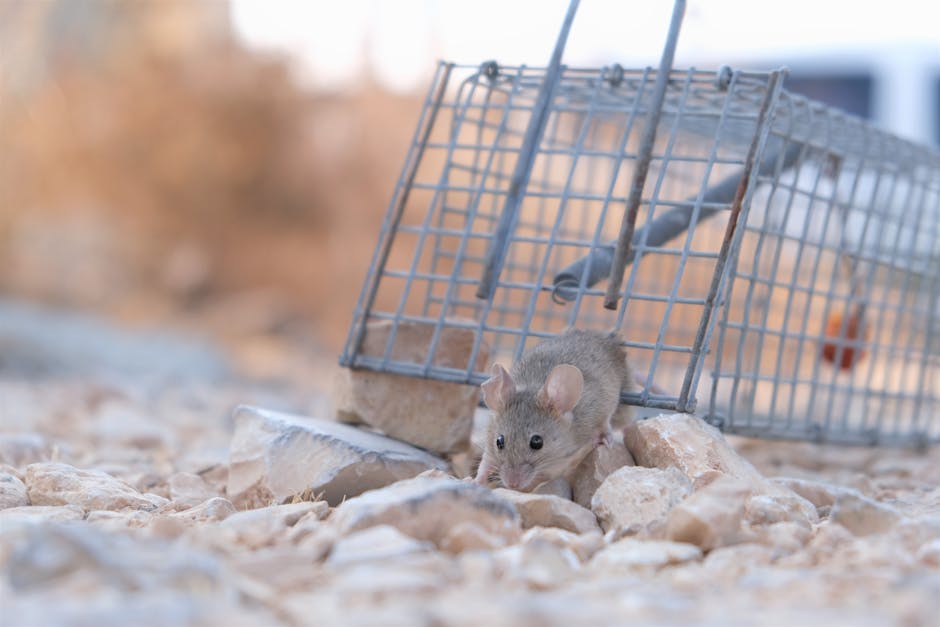
You followed all the rules: you used peanut butter, placed the trap against the wall, and hoped for the best. So why is the bait gone and the trap empty? The truth is, you're not fighting a pest—you're in a battle of wits against a master of survival, and you’re losing because you don’t understand your opponent. As a biologist who has spent years observing the cunning adaptations of urban rodentia, I can tell you that successful trapping has almost nothing to do with the brand of your trap or the flavor of your bait. It has everything to do with exploiting the ancient, hardwired psychology of the house mouse. This isn't pest control; it's psychological warfare. Forget what you think you know, and prepare to enter the mind of your adversary.
You've swatted them, set out traps, and maybe even poured bleach down the drain, but the tiny black flies are still there. The frustrating truth is, you're not fighting a fly problem; you're receiving a warning sign. These 'mold flies' are simply the messengers telling you about a hidden moisture issue that's compromising your home's health. As a building scientist, I see homeowners fixate on the symptom—the flies—while the underlying disease silently degrades their home's structure and air quality. This article will re-engineer your perspective, transforming your pest problem into a diagnostic tool to protect your most significant investment and your family's well-being.
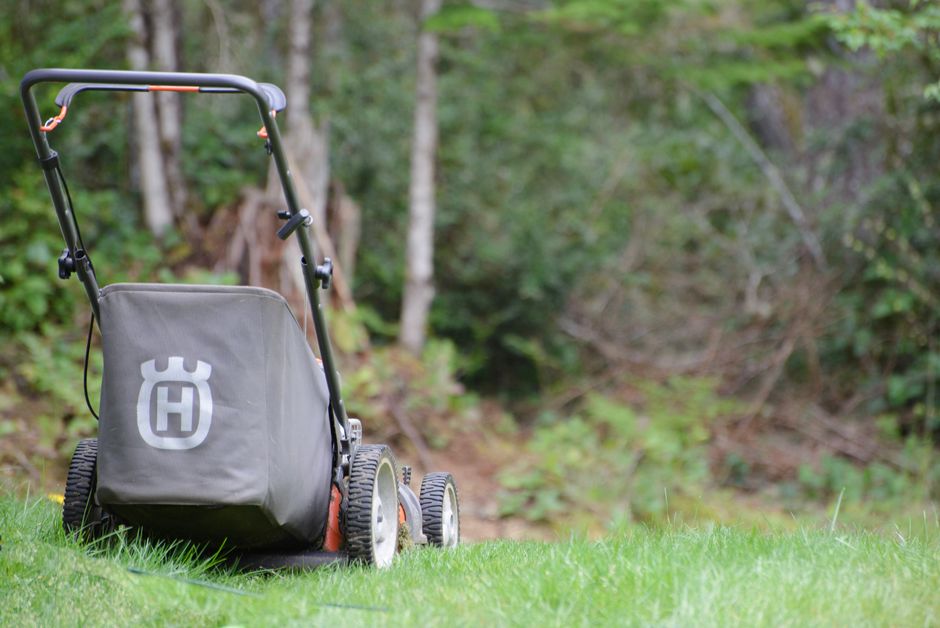
You water, you fertilize, yet your lawn still looks stressed and shredded after every cut. The secret to a truly vibrant yard isn't in a bottle—it's in your garage. This guide reframes a simple chore, showing you how sharpening your push mower blade is the single most impactful eco-hack for a healthier lawn that thrives with less water and fewer chemicals.
That overturned trash can isn't just a mess; it's a victory flag planted by one of nature's cleverest strategists. If you've been fighting a losing battle with scare tactics and repellents, it's because you're fighting the animal, not its instincts. To win back your property for good, you have to stop thinking like a frustrated homeowner and start thinking like a raccoon. This isn't about finding a magic spray or a louder noisemaker; it's a strategic campaign to dismantle the three pillars of a raccoon's existence in your yard: the all-you-can-eat buffet, the five-star shelter, and the sense of unwavering security. By methodically undermining these core motivations, you don't just scare them away—you convince them to pack up and leave on their own.
You see smudges and fingerprints on your stainless steel, but the real war is being waged at a microscopic level. Every appliance is protected by an invisible, self-healing shield called a chromium oxide layer. Most cleaning advice ignores this crucial fact, leading you to damage the very surface you're trying to perfect. This article moves beyond simple recipes to deconstruct the material science of your appliances. We will explore the formation and function of this passive layer, identify the two primary adversaries—mechanical abrasion and chemical attack—and provide a lab-approved protocol for cleaning that supports, rather than subverts, the inherent properties of the steel itself.
The click of the door, the sudden realization—panic. But what if you saw your locked door not as a crisis, but as a simple physics puzzle? This guide teaches you to think like a locksmith, focusing on the gentle art of non-destructive entry to solve the problem without creating a bigger one. Forget the brute force you see in movies. We're not breaking in; we are persuading the lock to open. This is about understanding the delicate conversation happening inside that small metal cylinder. By learning to listen with your fingertips and apply principles of tension and mechanics, you can address a common lockout situation with the finesse of a craftsman, preserving your lock, your door, and your peace of mind.
There's a moment of pure panic when super glue bonds instantly to the wrong thing—your skin, your countertop, your favorite pair of glasses. As a professional restorer who has saved priceless antiques from adhesive disasters, I can tell you the biggest mistake people make happens in the next 30 seconds. Before you reach for a bottle that could make things worse, let me show you how to un-glue anything without a trace of damage. This isn't about quick fixes; it's about the methodical, professional approach that separates a clean removal from a permanent scar. We will explore the science of the bond, the vulnerability of the surface, and the precise techniques that ensure the glue is the only thing that disappears.
You've wiped down the counters, set the sticky traps, and followed that tiny black line back to a crack in the wall, yet they keep coming. What if you're fighting the wrong war? Instead of just killing the soldiers, it's time to become a spymaster, learning to hack their intricate communication system and turn their own colony against itself. As a behavioral biologist who now designs pest control strategies, I can tell you that the spray-and-pray approach is a fool's errand. You're merely silencing the messengers. The true path to victory lies in rewriting the messages they send, turning their flawless logistics into a self-destructive feedback loop. This guide will teach you to stop thinking like an exterminator and start thinking like an ant—and then use that knowledge to dismantle their empire from the inside out.
You see a wasp nest and your first instinct is to grab the spray, but that's just playing defense. To truly win the war for your backyard, you need to stop thinking like a human and start thinking like a wasp. This guide goes beyond brute-force extermination, teaching you how to exploit their own instincts against them for a lasting solution. We'll move past the temporary fix of a chemical spray and into the realm of strategic manipulation. By understanding and disrupting their navigation, communication, and territorial imperatives, you can convince them that your property is unsuitable territory, encouraging them to relocate on their own terms. This is not just pest control; it's psychological warfare on an insect scale.
You’ve set the trap with their favorite bait, only to find it licked clean or completely ignored the next morning. The problem isn't your equipment; it's your strategy. To win this battle of wits, you have to stop thinking like a human and start thinking like a mouse. These creatures are not simple machines that run towards food; they are sophisticated survivalists, governed by eons of evolved instinct. This guide moves beyond the mechanics of traps and into the realm of behavioral psychology. We will dissect the rodent mindset, exploring concepts like neophobia (the fear of new things) and thigmotaxis (the instinct to follow walls), to transform your trapping approach from a game of chance into a calculated, strategic operation.
That first crisp autumn day isn't just a sign of changing leaves; it's a biological alarm clock for swarms of ladybugs seeking shelter in your home. Forget the panicked vacuuming after they're already inside. We'll show you how to treat their arrival like a predictable seasonal event, using a simple four-week countdown to make your house an impenetrable fortress before the first one even lands. This isn't about haphazardly spraying chemicals; it's a systematic, pre-emptive strategy that hardens your home's defenses against not just ladybugs, but all overwintering pests. By synchronizing your maintenance schedule with their natural cycle, you shift from a reactive homeowner to a proactive strategist, ensuring your cozy autumn evenings remain pest-free.
You've triple-checked the math on that online concrete calculator and feel ready to order for your big project. But what that simple tool doesn't tell you is that it's designed for a perfect world—and your project isn't in one. I've seen hardworking DIYers lose hundreds of dollars on a single pour because they trusted a neat formula that ignored the messy reality of bowed forms, uneven ground, and the dreaded 'short-pour' nightmare. That calculator gives you the volume of a perfect geometric shape. Your project is a hole in the ground, and the ground is never perfect. In this guide, I'm pulling back the curtain and showing you the 'foreman's math'—the real calculations we use on site to make sure the truck doesn't leave before the job is done.