32 Articles in this category
Frustrated when your labor-intensive fish murukku ends up with a strong fishy smell? You're not alone. The secret to perfect fish murukku isn't in the recipe itself, but in one critical, often-overlooked step to neutralize the odor while enhancing the fish's umami flavor. This isn't about masking the smell with more spices; it's about chemically neutralizing it at the source, a fundamental technique that separates amateur snacks from artisanal creations. By focusing on how you prepare the fish *before* it ever touches the flour, you unlock a world of clean, savory, and deeply satisfying flavor that you previously thought was only possible from specialty shops.
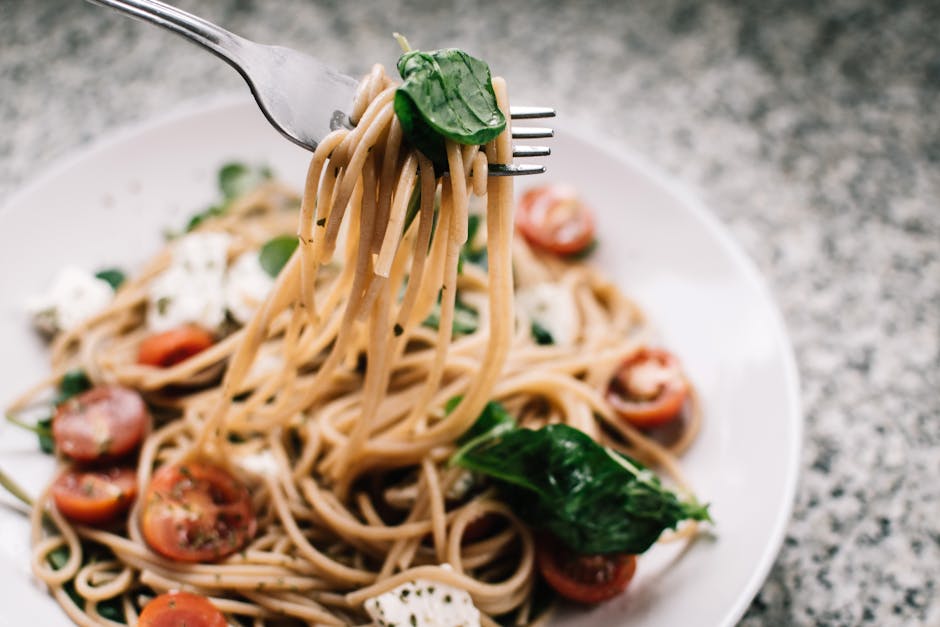
You think 'goreng' means fried and 'basah' means wet, and that they're opposites, right? That's why most homemade spaghetti goreng basah ends up as either dry noodles or a watery soup. Forget everything you think you know; we're about to dive into the wok science that proves the secret to the perfect wet sauce is actually a blast of frying heat. This isn't just cooking; it's a lesson in applied food physics. We're not simply tossing noodles in a sauce. We are weaponizing the wok's intense heat to trigger a chain reaction, transforming loose starch, fat, and water from a disconnected puddle into a cohesive, glossy emulsion that molecularly bonds to the pasta. The 'fry' is the catalyst for the 'wet'. Welcome to the paradox.
You've seen the flaming shot and the floating coffee beans, but have you ever considered it performance art for your palate? Most guides treat these as mere traditions, but they are actually keys. Each method, from the fiery 'con la mosca' to a simple chilled pour, is a deliberate ritual designed to fundamentally change Sambuca's character, unlocking a spectrum of flavors you never knew were hiding in the bottle. This is not about recipes; it is about manipulation. We will move beyond the spectacle to explore the science and soul of how temperature and technique can transform this iconic Italian liqueur from a simple, sweet spirit into a complex tapestry of sensations. Prepare to approach your next glass not as a drinker, but as a curator of your own sensory journey.
For two years, my day began by boiling over 100 eggs in the back of a bustling Tokyo ramen-ya. I quickly learned that the perfect ramen egg (Ajitsuke Tamago) isn't about following a recipe—it's about the unwritten rules the recipe leaves out. Forget the basic instructions; this is the real method that separates the homemade from the truly sublime. We're not just boiling and soaking. We are manipulating temperature, mastering salinity, and bending time to our will. What follows is not a recipe, but a doctrine. It's the difference between an egg in your ramen and the egg that defines the entire bowl.
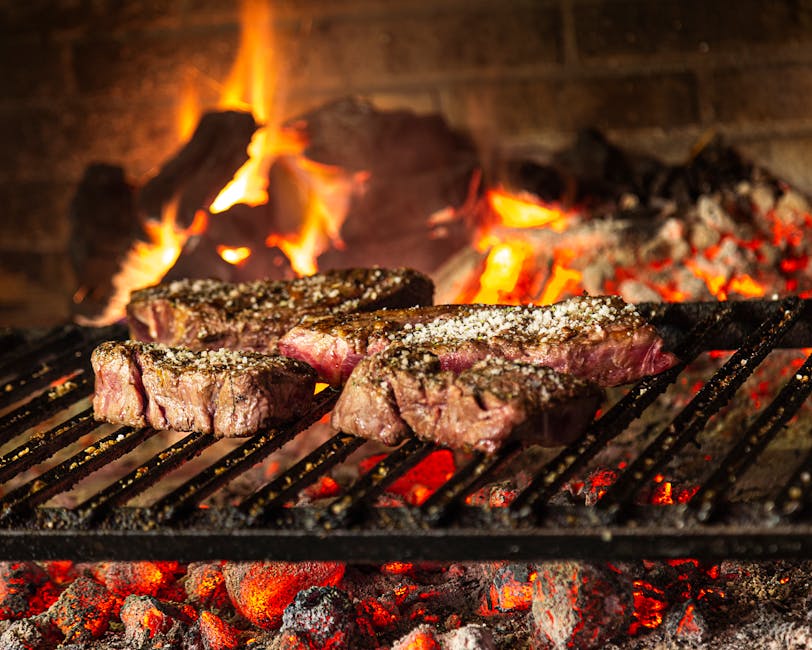
That expensive steak sits in your fridge, its 'use-by' date a ticking clock that fills you with doubt. But before you condemn it to the trash, it's time to put on your detective hat. The truth about its freshness isn't just on the label; it's hidden in plain sight, waiting for a trained eye—and nose—to uncover the evidence. As a former food safety inspector, I've seen countless cases where perfectly good food was discarded out of fear, and dangerous food was cooked out of ignorance. This guide transforms you from a worried consumer into a culinary investigator, equipping you with the forensic skills to analyze the evidence and make an informed, confident verdict on the safety of your steak.
That bitter, metallic tang ruining your morning brew isn't just old coffee; it's a tale of two stubborn chemical compounds clinging to your percolator. Before you pour in the vinegar, understand what you're actually fighting: a combination of rock-hard calcium carbonate and rancid, polymerized oils. Here’s the simple science of how acetic acid wages a two-front war to restore your coffee to its flavorful glory.
You’ve done the ritual: the awkward thump, the tentative sniff, the squeeze of uncertainty in the middle of the produce aisle. Yet, you still go home with a cantaloupe that tastes like sad, crunchy water. Forget the myths—it's time to stop guessing and start sensing, using a pro's techniques to read a melon's hidden language. For years, both in my pastry kitchen where perfect fruit is non-negotiable, and managing market stalls where I saw thousands of melons pass through my hands, I honed this skill. It's not magic; it's a sensory discipline. This guide will recalibrate your senses, turning you from a melon guesser into a melon connoisseur.
That chuck roast in your shopping cart isn't just Sunday dinner; it's the secret to conquering your weeknight meal plan. We've been trained to see it as a one-and-done pot roast, but its true potential lies in its transformation. This guide shows you how to cook one perfect chuck roast and turn it into three completely different, delicious meals. We're not talking about three days of boring leftovers. We're talking about a strategic culinary deployment: a classic sliced roast on day one, vibrant beef tacos on day two, and a rich, soul-satisfying ragu on day three. By treating the roast as a foundational component rather than a finished dish, you unlock a level of efficiency and flavor that changes the entire week.
You bought the beautiful loose-leaf tea, followed the instructions on the package perfectly, and still ended up with a cup that’s disappointingly bitter. The problem isn't the tea; it's the approach. This guide throws out the rigid recipes and instead teaches you to think like a master brewer, giving you the controls to manipulate flavor extraction and intentionally steer your cup toward notes of sweetness, vibrancy, or richness—and away from bitterness for good. We will recalibrate your entire approach, transforming you from a recipe-follower into a flavor architect.
You think you know how to make strawberries for shortcake. You slice them, toss them with sugar, and let them sit until they weep a sweet, ruby syrup. But what if that classic method is the very thing holding your dessert back from greatness? A truly transcendent shortcake experience isn't just about sweetness; it's about contrast, and we'll show you how to build it by layering three distinct textures of strawberry for a topping that's simultaneously juicy, bright, and deeply caramelized. This isn't a recipe; it's a structural philosophy for dessert. By treating the humble strawberry not as a single ingredient but as a source of three unique components, you transform a rustic classic into a dessert with architectural integrity and profound flavor.
Forget following a simple recipe. To make truly impressive rock sugar, you need to become a crystal farmer, and your kitchen is the laboratory. This guide will teach you the science of supersaturation and nucleation, turning your next batch from a simple sweet treat into a stunning, edible geode. We will move beyond vague instructions and delve into the specific variables you can manipulate—from solvent purity to cooling velocity—to cultivate large, structurally perfect sucrose crystals. This is not candy-making; this is applied physical chemistry in your kitchen.
You've done it a thousand times: brown the beef, tilt the pan, and spoon out that shimmering pool of rendered fat. But what if we told you that single step is the biggest mistake you're making? That fat isn't the enemy; it's liquid gold, and we're going to show you the culinary science trick to turn it into the richest, most flavorful taco meat of your life. By discarding that fat, you're pouring the very soul of your taco seasoning down the drain. The key isn't to remove the fat, but to control it. We're going to break down the simple science of emulsification—a technique used in fine-dining kitchens to make vinaigrettes and sauces—and apply it to your weeknight tacos. This method permanently binds the fat to the sauce, creating a velvety, deeply savory filling that clings to every crevice of the meat, ensuring every single bite is juicy and explosive with flavor, never greasy.
You pull a loaf from the freezer, hoping for a decent slice, and end up with a familiar tragedy: a soggy, chewy mess from the microwave or a dried-out brick from the oven. But what if your freezer isn't a bread graveyard, but a time capsule for freshness? Forget everything you know about defrosting; we're going to resurrect that frozen loaf, making its crust shatter and its crumb steam with a simple technique that takes less than five minutes. This isn't just about warming bread; it's about reversing the staling process at a molecular level, a piece of culinary alchemy that separates the amateur from the artisan.
You've seen the viral recipes promising perfect marshmallow fluff with just two ingredients. But have you ever ended up with a grainy, overly-sweet, or rock-hard mess instead of an ethereal cloud? The truth is, that simple hack ignores the crucial science that separates a disappointing goo from a perfectly stable, spreadable marshmallow creme. It's not about simplicity; it's about stability. The viral method of melting marshmallows with a splash of water is a gamble against the fundamental principles of sugar chemistry. It creates a supersaturated sugar solution that is molecularly desperate to return to its crystalline state. This article moves beyond the hack and into the laboratory (your kitchen) to give you precise control over the final product. We will deconstruct the process, revealing how the strategic addition of 'interfering agents'—corn syrup, acid, and fat—can inhibit crystallization, manage viscosity, and perfect the mouthfeel. This is not just another recipe; it is the definitive blueprint for transforming a bag of marshmallows into flawless, shelf-stable fluff, every single time.
You press a button, and coffee appears. But what if that simple act is holding you back from the rich, aromatic, café-quality espresso your machine was truly designed to make? This guide goes beyond the owner's manual, revealing the subtle barista-level techniques that will fundamentally change the way you use—and taste—your Nespresso.
Forget your grandmother's dill pickle recipe (with all due respect). What if you could create a cucumber pickle that tastes like a spicy margarita, a gin and tonic, or even a savory masala chai? This guide isn't another set of instructions; it's a framework that turns your kitchen into a flavor lab, empowering you to invent the perfect pickle you can't buy in any store. We're moving beyond rigid recipes and into the realm of modular flavor design. I'm handing you the keys to the laboratory, the schematics to the system. This is the Pickle Matrix—a methodology for engineering crunch, acid, salt, and audacious flavor into every jar.
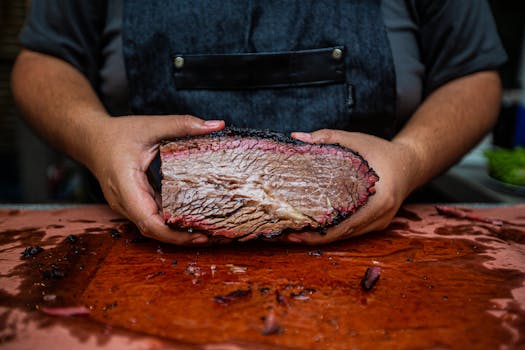
You've obsessed for 12 hours over bark, smoke rings, and temperature, finally pulling a perfectly rendered brisket. Yet, when you serve it, the bite is tough, and all your hard work feels wasted. The culprit isn't your smoker; it's the common misconception that the cooking stops when the brisket leaves the heat, when in reality, the final, texture-defining 'cook' happens on the cutting board. We treat the cook as science and the slice as an afterthought. This is the fundamental failure in barbecue. Your knife is not just a serving tool; it is the final, and most critical, instrument in rendering a brisket tender. What you do in those five minutes on the board will define the texture of every single bite, and this article will show you why that final cut is more important than the final hour in your smoker.
You probably think of orzo as one thing: the rice-shaped pasta for your summer salad. But what if I told you that by ignoring the package directions, you could unlock its secret ability to be creamy, crispy, chewy, or perfectly al dente? Forget the recipes for a moment; we're diving into the technique that transforms this humble pasta into a true culinary shapeshifter. This guide is a deep dive into the science of starch manipulation, giving you the fundamental principles to control orzo's texture with precision. By mastering these five distinct states, you move beyond simply following recipes and begin to architect dishes from the ground up, using orzo as your versatile, texturally dynamic medium.
You reach into the pantry for a potato and pull out a character—it's got a few sprouts, a green-tinged shoulder, and a slightly soft spot. Your first instinct might be to toss it, but what if that's a costly mistake? This guide isn't about telling you what to throw away; it's a playbook for knowing what you can safely salvage, trim, and transform into a delicious meal. In my kitchen, ingredients earn their keep, and a potato with a few cosmetic flaws is just a puzzle waiting to be solved. We'll move beyond the simple 'good' or 'bad' binary and treat our produce with the respect and resourcefulness it deserves. This is triage for the thoughtful cook, a guide to reclaiming flavor and value from the brink of the bin.
Every guide to smoking ribs obsesses over numbers: 225 degrees, 3 hours wrapped, 2 hours unwrapped. But what if the greatest pitmasters told you they barely look at a clock? This guide will teach you to ditch the timer and trust your senses—the mahogany color of the bark, the gentle bend of the rack, the sweet aroma of rendered fat—to know exactly when your ribs are fall-off-the-bone perfect. Forget the formulas that treat every slab of meat like a factory part. We're not assembling furniture here; we're coaxing perfection from fire, smoke, and protein. This is the old way, the right way. It’s time to learn how to listen to your meat.
Forget the bland, mass-produced stuff. Have you ever wondered what truly separates a store-bought carton of orange juice from the vibrant, bursting-with-flavor juice squeezed from a freshly picked orange? It's not just about the fruit; it's about understanding the science behind unlocking its full potential – a journey into the fascinating world of citrus chemistry and the art of the perfect squeeze.
Forget robotic pronunciation guides! Mastering 'charcuterie' isn't just about sounds; it's about embodying the French spirit. This article goes beyond simple phonetic transcriptions, delving into the cultural context and linguistic subtleties that will transform your pronunciation from clumsy to chic. We'll unpack the phonetic intricacies, explore the rhythm and linking of sounds inherent in French, and even touch upon the subtle nuances that truly elevate your pronunciation to a Parisian level. Prepare to unlock the secret to sounding effortlessly elegant when you discuss your favorite cured meats!
Honey mustard. It sounds simple, right? But behind this seemingly unassuming condiment lies a world of flavor complexity waiting to be unlocked. Forget the basic recipes; we're diving deep into the culinary alchemy of honey mustard, exploring the science of sweetness, acidity, and spice to create a truly exceptional sauce.
Forget everything you think you know about cold brew. This isn't just about steeping coffee grounds; it's about understanding the delicate dance of water, time, and temperature. We'll unlock the secrets of cold brew, revealing the chemistry behind the perfect cup, ensuring your next batch is an extraordinary alchemic triumph.
Forget the perfectly-steamed milk; true latte artistry lies in the captivating patterns you create. This isn't about making a drink, it's about crafting a miniature masterpiece. Let's ditch the 'how-to' manuals and unlock the secrets to creating cafe-quality latte art right in your own kitchen.
Forget generic grilling charts! Weight alone is a misleading metric when it comes to perfectly cooked steak. We're diving deep into the science of steak thickness, revealing the secret to consistently achieving that coveted sear and juicy center, regardless of the cut.
Lobster boils are legendary – a boisterous, messy affair often resulting in a mountain of shells and a kitchen in disarray. But what if you could achieve that same incredible lobster flavor with significantly less fuss? This guide reveals the secrets to a perfectly cooked, incredibly delicious lobster feast, minimizing the cleanup so you can savor the experience, not just the meal.
Forget the intimidating Instagram feeds of perfectly sculpted latte swans. Creating stunning latte art isn't about innate talent; it's about mastering a few key techniques. This guide breaks down the process into seven surprisingly simple steps, empowering you to transform your morning coffee routine from mundane to mesmerizing.
Forget everything you think you know about cooking ribs. The perfect rack isn't about luck or secret family recipes; it's about understanding the intricate dance between heat, time, and the very structure of the meat itself. Prepare to unlock the scientific secrets to ribs so unbelievably good, they'll redefine your BBQ experience.
Forget following recipes blindly. Beef stew is more than a dish; it's an alchemical process, a dance of Maillard reactions and collagen breakdown. This isn't just about instructions; it's about understanding the fundamental principles that elevate a simple stew into a culinary masterpiece, unlocking layers of depth and complexity you've never experienced before.
Forget everything you think you know about boiling lobster. While a perfectly executed boil is undeniably delicious, the world of lobster preparation extends far beyond the pot. This isn't your grandmother's lobster boil; we're diving deep into the artistry of preparing lobster, uncovering techniques that unlock its full potential and transform it from a simple seafood dish into a truly unforgettable culinary experience.
Forget flimsy, falling-apart burritos! We're not just talking about how to wrap a burrito; we're talking about achieving burrito nirvana. Prepare to unlock the secrets of the perfect fold, transforming your burrito from a messy meal into a culinary masterpiece—one that will leave your friends utterly impressed (and slightly envious). This isn't your grandma's burrito-wrapping tutorial; this is a performance art, a ballet of tortillas and fillings, choreographed for maximum impact and minimal mess.